

The Spirit of Meghalaya
Find peace and reflection in a land of sacred wonders.
Beyond its natural beauty, Meghalaya offers a unique spiritual journey. Its revered sites blend tradition with nature, providing a peaceful escape for travelers seeking cultural discovery and a deeper connection.
Highlights at a Glance
⛪ Visit historic churches in Shillong, blending colonial and local architecture
🛕 Explore ancient temples in Jaintia Hills dedicated to local deities
🕉️ Witness spiritual practices rooted in Khasi and Garo traditions
🌌 Discover sacred caves with mythological and cultural significance
🎭 Experience vibrant festivals celebrating faith and community


Shillong – Churches & Spiritual Heritage
The capital city, Shillong, is dotted with historic churches that reflect the spread of Christianity in Meghalaya. Among them, the Cathedral of Mary Help of Christians stands out with its stunning architecture, stained-glass windows, and tranquil setting. The All Saints’ Cathedral is another landmark, offering a peaceful space for worship. Shillong’s churches are not just religious sites—they are also important cultural markers of the Khasi and Christian communities. Many visitors find these churches ideal for quiet reflection amidst the city’s lively streets. For pilgrims and travelers alike, Shillong serves as a spiritual gateway to Meghalaya.
Jaintia Hills – Temples of Tradition
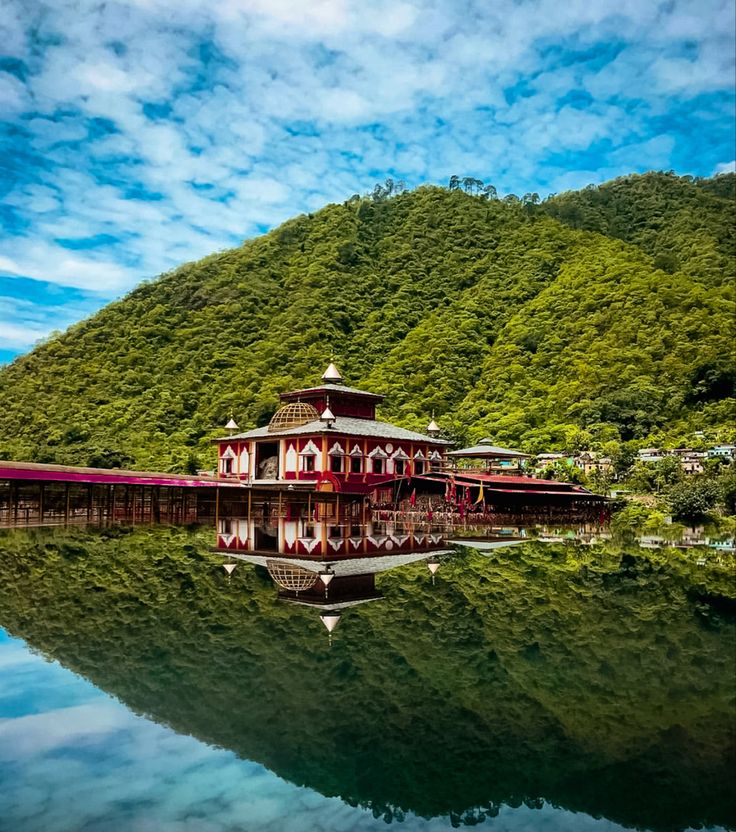
In the Jaintia Hills, spirituality takes a different form. The region is home to temples such as the Nartiang Durga Temple, one of the most significant Hindu pilgrimage sites in Meghalaya. Believed to be one of the 51 Shakti Peethas, the temple is steeped in legend and history. During festivals like Durga Puja, the temple becomes a vibrant center of devotion, attracting devotees from across the Northeast. The Jaintia Hills are also dotted with sacred groves—forests preserved for centuries as part of spiritual traditions. These groves embody the community’s reverence for nature, making them unique pilgrimage destinations.
Sacred Caves – Legends & Mysticism
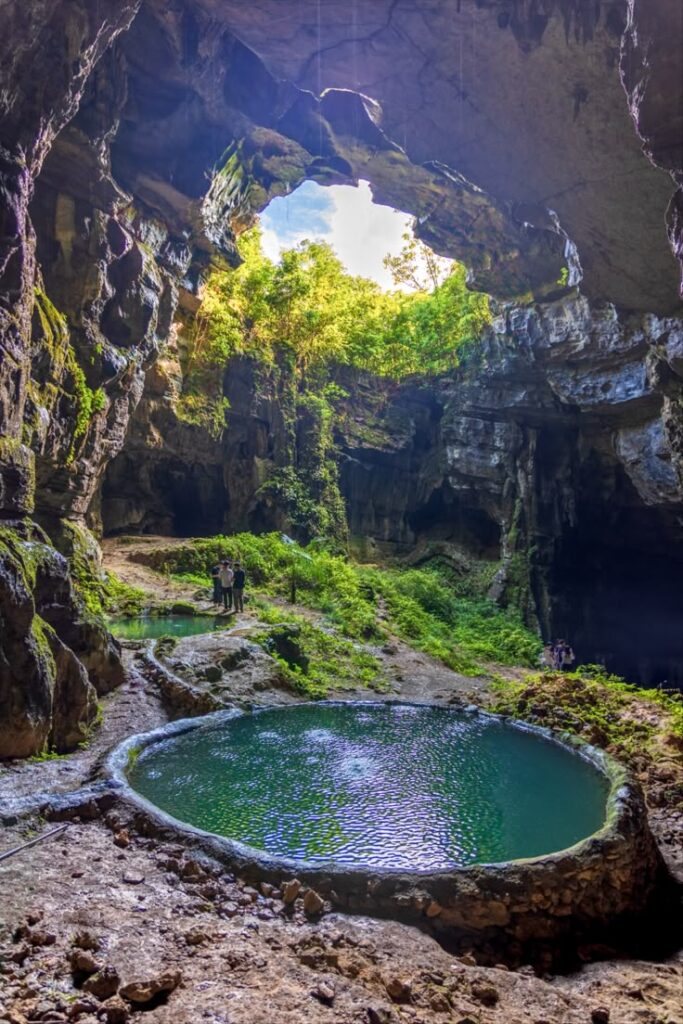
Meghalaya’s caves are not only geological wonders but also hold deep cultural and spiritual significance. Caves like Krem Liat Prah, Mawsmai, and Mawjymbuin are linked to local legends and rituals. For many communities, caves are considered sacred spaces where spirits reside or where historic events unfolded. Pilgrims and travelers often explore these caves to connect with Meghalaya’s spiritual heritage while marveling at their natural beauty. Walking through these echoing chambers feels like stepping into a realm where myth and nature intertwine—making them essential stops on a pilgrimage journey.
Garo Hills – Indigenous Faith & Sacred Spaces
The Garo Hills offer a glimpse into indigenous spiritual traditions that remain vibrant even today. The Garo people celebrate their connection with nature through festivals, rituals, and sacred sites. Nokrek National Park, for instance, is not only a biodiversity hotspot but also considered sacred by locals. Traditional practices, such as ceremonies held at sacred stones and groves, highlight the community’s deep respect for the land. For visitors, the Garo Hills provide a chance to witness faith expressed through cultural identity and harmony with nature, making pilgrimage here both authentic and enlightening.
Festivals – Faith in Celebration
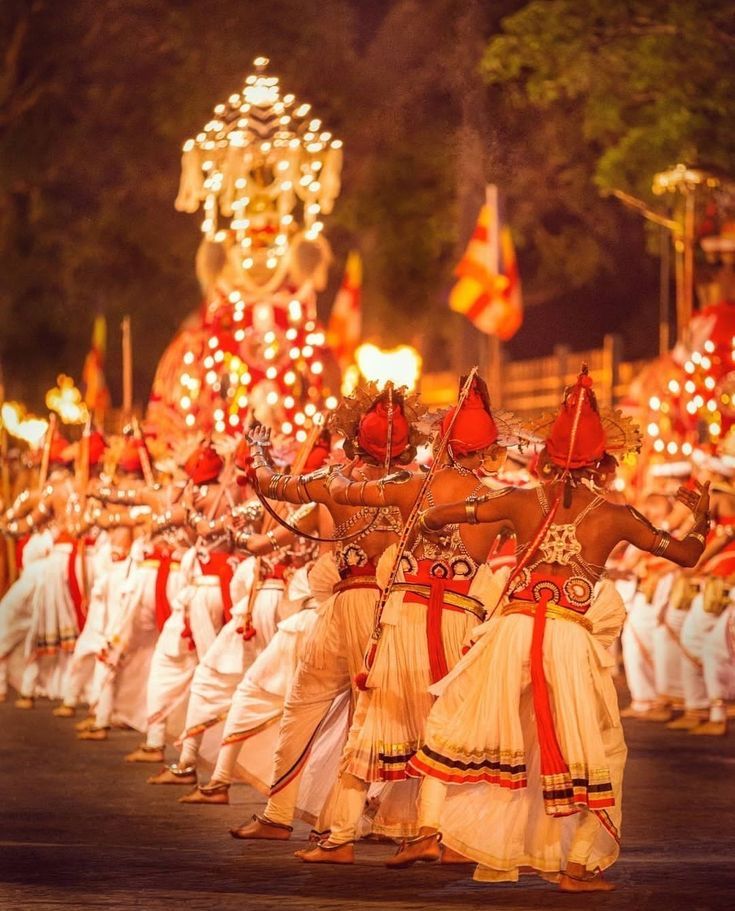
Pilgrimage in Meghalaya is not limited to visiting temples or churches—it extends to participating in vibrant festivals. Events like the Wangala Festival of the Garos, Behdeinkhlam of the Jaintias, and Shad Suk Mynsiem of the Khasis showcase faith through music, dance, and rituals. These festivals are deeply spiritual, celebrating harvests, ancestors, and community bonds. Travelers joining these events experience pilgrimage in its most lively form—where devotion meets joy, and traditions come alive in unforgettable ways.
Frequently asked question
1. What are the main pilgrimage sites in Meghalaya?
Meghalaya’s pilgrimage sites include the Cathedral of Mary Help of Christians in Shillong, Nartiang Durga Temple in Jaintia Hills, sacred caves like Mawjymbuin, and community sacred groves.
2. Are there Hindu temples in Meghalaya?
Yes, the most notable is the Nartiang Durga Temple in Jaintia Hills, considered one of the 51 Shakti Peethas. It is an important Hindu pilgrimage site.
3. Can I experience local spiritual traditions in Meghalaya?
Absolutely. Many Khasi and Garo festivals, rituals, and sacred groves are open for travelers to respectfully experience. These traditions offer an authentic glimpse into indigenous faith.
4. Is pilgrimage in Meghalaya suitable for all travelers?
Yes. Whether you’re religious, spiritual, or simply curious about culture, Meghalaya’s pilgrimage sites offer peaceful and meaningful experiences in a natural setting.
5. When is the best time to plan a pilgrimage trip?
October to April is the best time, with pleasant weather for travel. To witness festivals, check local calendars—events like Wangala or Behdeinkhlam are excellent times to visit.
6. Do I need special permission to visit sacred groves or caves?
Some sacred groves or caves may require local guidance or permissions. It’s best to travel with a local guide or community-led tour to ensure respectful visits.
Closing Call-to-Action
Pilgrimage in Meghalaya is more than a journey to temples or churches—it’s an exploration of faith, culture, and the deep bond between people and nature. From sacred caves and ancient temples to vibrant festivals and serene churches, every site offers a chance for reflection and connection. At Welcome Meghalaya, we invite you to immerse yourself in this authentic spiritual journey through the “abode of clouds.” Begin your pilgrimage today and discover the sacred heart of Northeast India.