

Highlights – Musical & Dance Experiences
Khasi Harmony
Watch Shad Suk Mynsiem, the Khasi thanksgiving dance.
Garo Rhythms
Enjoy Wangala, the Garo “100 Drums Festival” dance.
Jaintia Rituals
Witness Behdeinkhlam Festival dances in Jaintia Hills.
Tribal Instruments
Explore local drums, flutes, xylophones, and gongs.
Live Performances
Attend local cultural performances in villages and town centers.
Cultural Literacy
Learn about traditional choreography, costumes, and rituals.
Khasi Music & Dance
Khasi music and dance are closely linked to festivals, rituals, and daily life. Instruments like drums (ka doh), flutes, and bamboo trumpets accompany rhythmic dances performed during Shad Suk Mynsiem.
These dances are often circular or patterned, symbolizing community harmony and thanksgiving to nature. The Khasi also have rich oral storytelling traditions, with songs narrating folklore, legends, and ancestral wisdom.
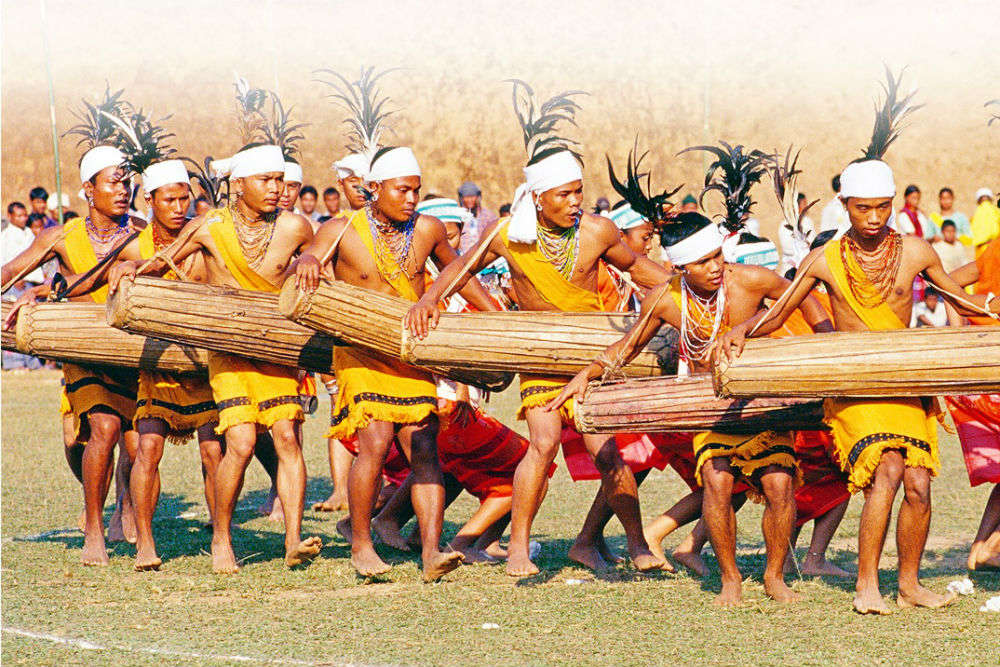
Garo Music & Dance
The Garo tribe is known for its lively, drum-driven performances. The Wangala Festival showcases drumming ensembles and energetic dances that celebrate the harvest season.
Dancers wear vibrant traditional attire adorned with beads, feathers, and woven patterns, while drums (called “Dama”) set the rhythm for coordinated movements. Garo folk songs often recount heroic tales, agricultural practices, and myths, making every performance both entertaining and educational.

Jaintia Music & Dance
In the Jaintia Hills, music and dance are central to festivals like Behdeinkhlam, which celebrates spiritual cleansing and community renewal. Dancers use rhythmic footwork and hand gestures, often accompanied by percussion and bamboo instruments.
Songs narrate local legends, historical events, and seasonal changes. Community participation is emphasized, making these performances immersive for both locals and visitors.
Instruments & Folk Traditions
Meghalaya’s tribal music relies heavily on percussion and wind instruments. Common instruments include:
- Doh – traditional drum used by Khasi and Jaintia communities.
- Dama – Garo drums of varying sizes for Wangala ceremonies.
- Bamboo flutes and trumpets – produce melodic tunes for dances.
- Bamboo xylophones and gongs – accompany festive performances.
These instruments not only provide rhythm but also convey cultural stories, spiritual beliefs, and social messages.
Festivals & Cultural Performances
Traditional music and dance are inseparable from festivals. Attending Shad Suk Mynsiem, Wangala, or Behdeinkhlam offers travelers the chance to witness performances in authentic settings, often accompanied by feasts, rituals, and community celebrations.
Towns like Shillong also host cultural evenings where performers demonstrate tribal dances and folk songs for tourists.
FAQ – Traditional Music & Dance in Meghalaya
Q1. What is the most famous tribal dance in Meghalaya?
Shad Suk Mynsiem (Khasi) and Wangala (Garo) are among the most iconic traditional dances.
Q2. Can tourists participate in dances?
Yes, but participation should be respectful and guided, especially during ceremonial events.
Q3. What instruments are used in tribal music?
Drums, bamboo flutes, trumpets, xylophones, and gongs are common instruments.
Q4. Do dances tell stories?
Absolutely. Movements, rhythms, and songs often narrate folklore, history, and community values.
Connect with Meghalaya's Cultural Soul!
Let the music, drums, and dance of the hills create memories that last a lifetime.
Book a Cultural Tour