

Highlights – Key Historical Facts
Tribal Legacy
Home to Khasi, Jaintia, and Garo tribes with unique matrilineal societies.
Ancient Kingdoms
Jaintia and Khasi kingdoms flourished for centuries, shaping early governance.
Colonial Influence
British colonial presence developed Shillong as a prominent hill station.
Statehood
Meghalaya achieved full statehood in 1972, separating from Assam.
Sacred Groves
Sacred groves preserve ancient cultural practices and ecological heritage.
Oral Traditions
Folk legends and oral traditions are key to understanding tribal history and beliefs.
Ancient Tribal Kingdoms
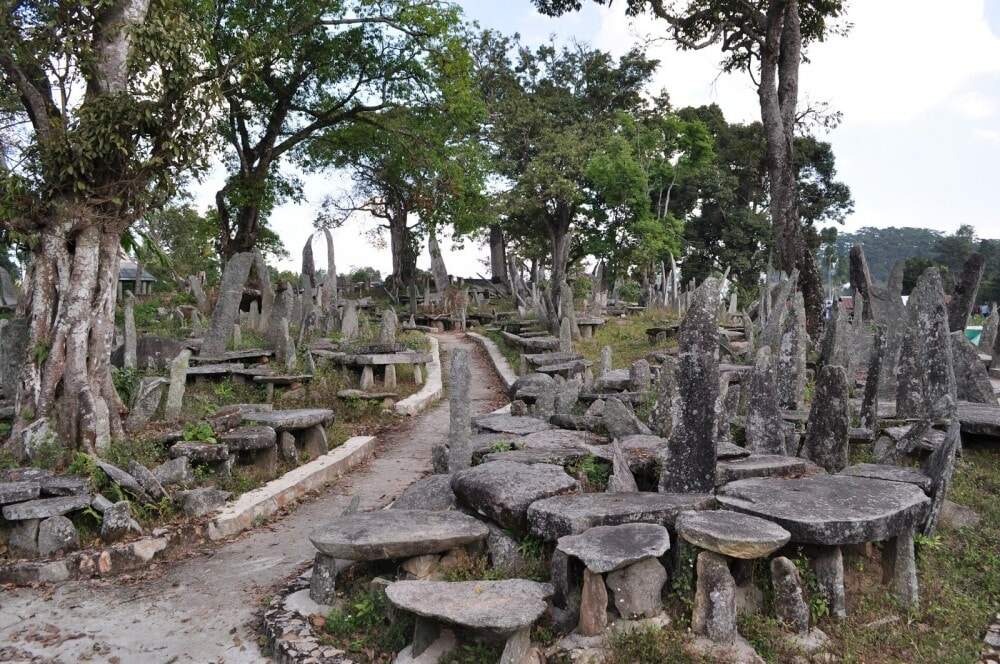
The Khasi and Jaintia tribes have inhabited the hills for centuries. The Jaintia Kingdom (11th–19th century) was known for its sophisticated administration and trade in coal, limestone, and forest produce.
The Khasi Hills were organized into multiple chiefdoms, each ruled by a Syiem (chief) who oversaw land, forests, and community welfare. Matrilineal traditions, where lineage and inheritance pass through women, have been a cornerstone of tribal governance and social organization.
Colonial Era & Shillong’s Rise
During British rule in the 19th century, the hills of Meghalaya became a strategic and climatic retreat from the plains of Assam and Bengal. Shillong was developed as the summer capital of Assam and later became the cultural and educational hub of the region.
The British introduced modern infrastructure, schools, and churches, while respecting local customs to a degree. Several colonial-era buildings, churches, and institutions still reflect this era.

Struggle for Statehood
After India’s independence in 1947, the people of the Khasi, Jaintia, and Garo Hills sought greater autonomy to protect their distinct cultural identity. This led to political movements demanding separation from Assam.
On 21 January 1972, Meghalaya officially became a full-fledged state of India, with Shillong as its capital. Statehood ensured preservation of tribal governance, matrilineal practices, and control over local resources.

Cultural & Sacred Heritage
Meghalaya’s history is inseparable from its sacred groves, traditional festivals, and oral legends. Sacred forests were historically protected by village councils and continue to be sites of worship and biodiversity.
Festivals like Shad Suk Mynsiem and Wangala celebrate historical, agricultural, and spiritual milestones, keeping centuries-old traditions alive. Local folklore, music, and dance reflect stories of past rulers, tribal heroes, and nature spirits.

Modern Meghalaya
Today, Meghalaya blends tradition and modernity. Education, tourism, and cultural preservation coexist alongside natural conservation. Towns like Shillong and Tura are vibrant centers of art, music, and trade, while villages maintain traditional architecture, crafts, and communal governance.
Understanding the state’s history adds depth to every waterfall visit, forest trek, and cultural interaction.
FAQ – History of Meghalaya
Q1. When did Meghalaya become a state?
Meghalaya became a full-fledged state on 21 January 1972, separating from Assam.
Q2. Who were the major tribes in Meghalaya’s history?
The Khasi, Jaintia, and Garo tribes are the major communities with rich historical and cultural heritage.
Q3. What is unique about Meghalaya’s tribal system?
Many tribes practice matrilineal society, where lineage and inheritance pass through women.
Q4. Are there historical sites to visit in Meghalaya?
Yes, including colonial-era buildings, traditional villages, sacred groves, and forts from Jaintia and Khasi kingdoms.
Uncover Meghalaya's Enduring Legacy!
Explore its history in every hill, festival, and village for a truly enriching journey.
Start Historical Journey