

Learn Meghalaya: A Journey of Insight
Understand the culture, traditions, and stories of the Abode of Clouds.
Travel is about more than sightseeing; it’s about understanding. Every waterfall, every song, and every meal in Meghalaya carries a story. This guide is your key to meaningful insights, from the unique matrilineal society of the Khasis to authentic cuisine and ancient folk legends.
Highlights at a Glance
Culture and Traditions – The Heart of Meghalaya
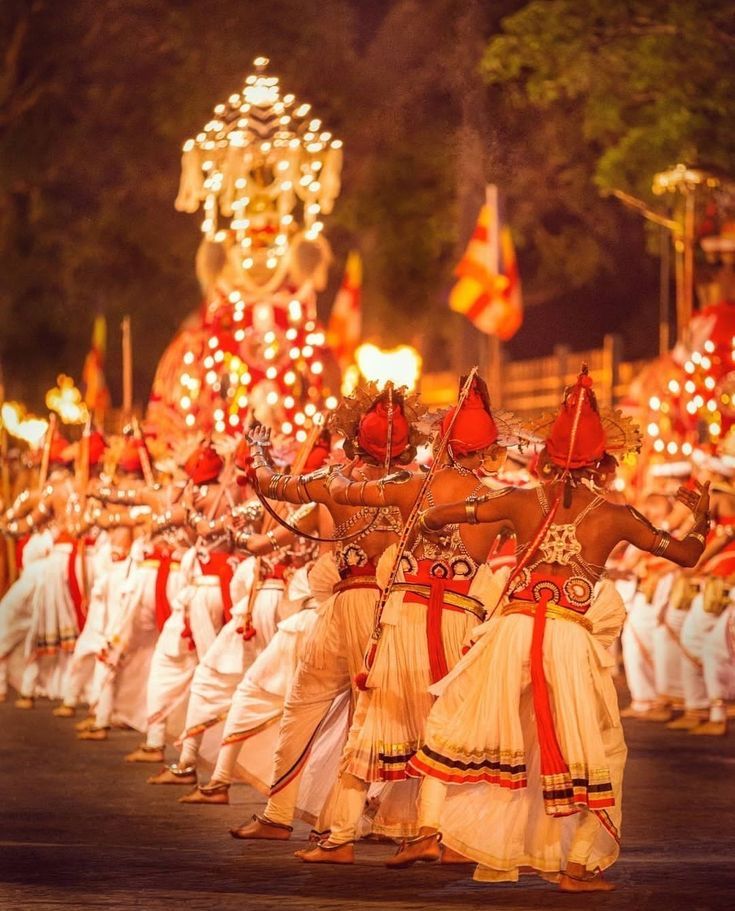
Meghalaya is home to three major tribes: the Khasis, Jaintias, and Garos. One of the most unique aspects is its matrilineal society, where family lineage passes through women, making communities distinct and empowering. Festivals like Shad Suk Mynsiem and Wangala showcase traditional music, dances, and rituals that reflect a deep connection with nature and spirituality. By learning about these practices, travelers gain respect for the people and a deeper appreciation of their way of life. Cultural workshops and guided tours offer an opportunity to immerse yourself in authentic traditions.
Food – A Flavorful Lesson in Local Living
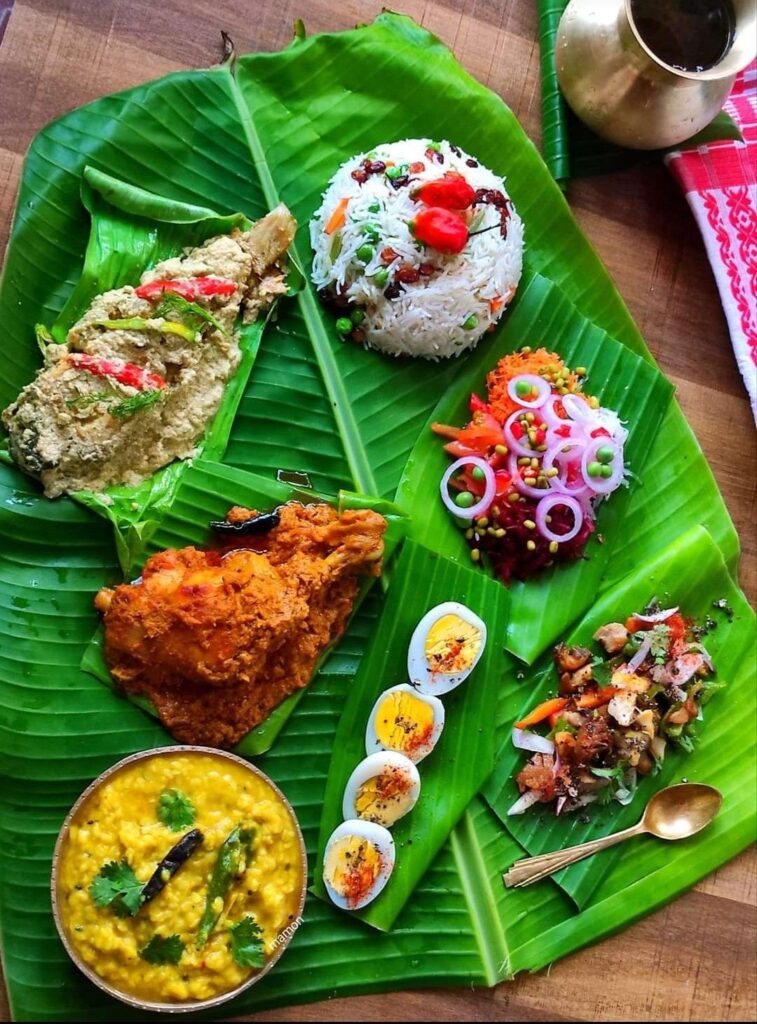
Cuisine in Meghalaya is an expression of community and nature. Dishes like Jadoh (rice cooked with meat), Dohneiiong (pork with sesame), and Tungrymbai (fermented soybean) are not just meals—they’re culinary traditions. Each tribe has its own flavors, influenced by seasonal produce and cooking methods. For example, Garos use bamboo shoots extensively, while Khasi cuisine focuses on pork and rice-based dishes. Dining in local homes or community kitchens allows visitors to learn how food is prepared and the cultural values behind sharing meals. Food tours in Shillong or Cherrapunji make this experience even more engaging.
Music, Dance, and Festivals – Stories in Rhythm
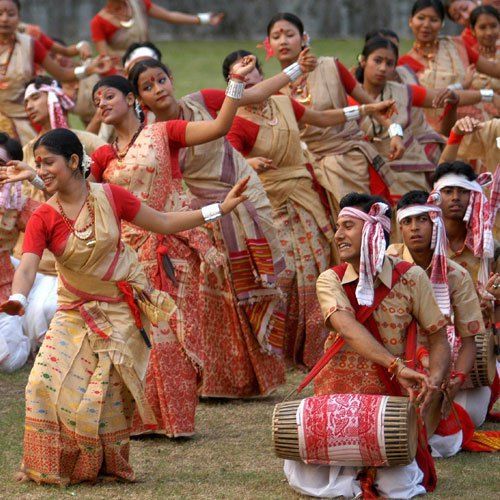
To learn Meghalaya is to listen to its heartbeat in music and dance. Festivals are vibrant cultural classrooms where traditions come alive. The Shillong Autumn Festival blends modern music with tribal performances, while the Behdienkhlam festival in Jaintia Hills celebrates harvests with rituals, dances, and community spirit. Traditional instruments like the ka bom (drum) and bamboo flutes accompany folk songs passed down for generations. Participating in these events or attending workshops helps travelers not only enjoy but also understand the cultural significance of each performance.
Nature and Eco-Living – Lessons from the Land
Nature in Meghalaya is not just scenery—it’s a way of life. The state is famous for its living root bridges, crafted by guiding tree roots over decades, teaching patience and harmony with the environment. Villages like Mawlynnong, known as the cleanest in Asia, demonstrate sustainable practices in daily life. Learning about sacred groves, eco-friendly farming, and conservation traditions offers lessons that extend beyond travel—they inspire more conscious living. Eco-tours and guided treks provide hands-on experiences in this beautiful “classroom” of nature.

Folk Tales and Legends – Learning Through Stories
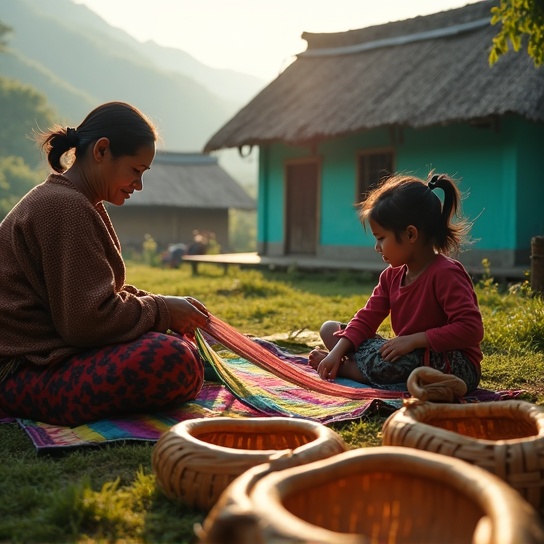
Oral storytelling is central to Meghalaya’s identity. From legends of Umiam Lake to tales of spirits and sacred forests, these stories carry wisdom, humor, and cultural values. They teach respect for nature, community, and tradition in ways that books cannot capture. Sitting with elders or listening to local guides share myths enriches your journey with perspective and wonder. For travelers who want to go deeper, folk literature and performances are available at cultural centers in Shillong and rural villages.
Frequently asked question
1. What makes Meghalaya’s culture unique?
Meghalaya is one of the few places in the world with a matrilineal society, where inheritance passes through women. This deeply influences family, community, and traditions.
2. Can I take part in local festivals?
Yes, most festivals are open to visitors. Tourists are welcome to watch, learn, and even participate respectfully in dances, rituals, and celebrations.
3. What food should I try in Meghalaya?
Try Khasi dishes like Jadoh and Dohneiiong, Garo bamboo shoot preparations, and Jaintia-style curries. Homestays and local eateries provide the most authentic experience.
4. How can I learn from locals during my trip?
Opt for homestays, guided tours, and village visits. Engaging with artisans, farmers, and storytellers will give you firsthand knowledge of traditions and lifestyle.
5. Are there cultural etiquettes travelers should follow?
Yes, dress modestly, ask before photographing people, respect sacred sites, and avoid littering. Locals value humility, respect, and participation in their customs.
6. Is English widely spoken in Meghalaya?
Yes, English is an official language in Meghalaya, making communication easy for travelers. Khasi, Garo, and Jaintia are widely spoken locally.
Closing Call-to-Action
Learning about Meghalaya is more than just travel—it’s about connecting with the people, culture, and land in meaningful ways. From tasting authentic food and listening to ancient stories, to witnessing eco-friendly practices and joining vibrant festivals, every moment offers an opportunity to grow and understand. At Welcome Meghalaya, we encourage you to dive deeper, ask questions, and embrace the lessons this enchanting state has to offer. Start your journey of discovery today, and let Meghalaya teach you the beauty of authentic experiences in Northeast India.