

The Heart of Meghalaya: Carved by Time
Discover an unforgettable underground journey into nature’s art.
Meghalaya’s caves are a unique treasure trove, home to the vast Liat Prah Cave System, India’s longest, and the fossil-rich Arwah Cave. Whether you’re a seasoned adventurer or a curious wanderer, these caves promise an unforgettable journey into the heart of Northeast India’s natural heritage.
Highlights at a Glance
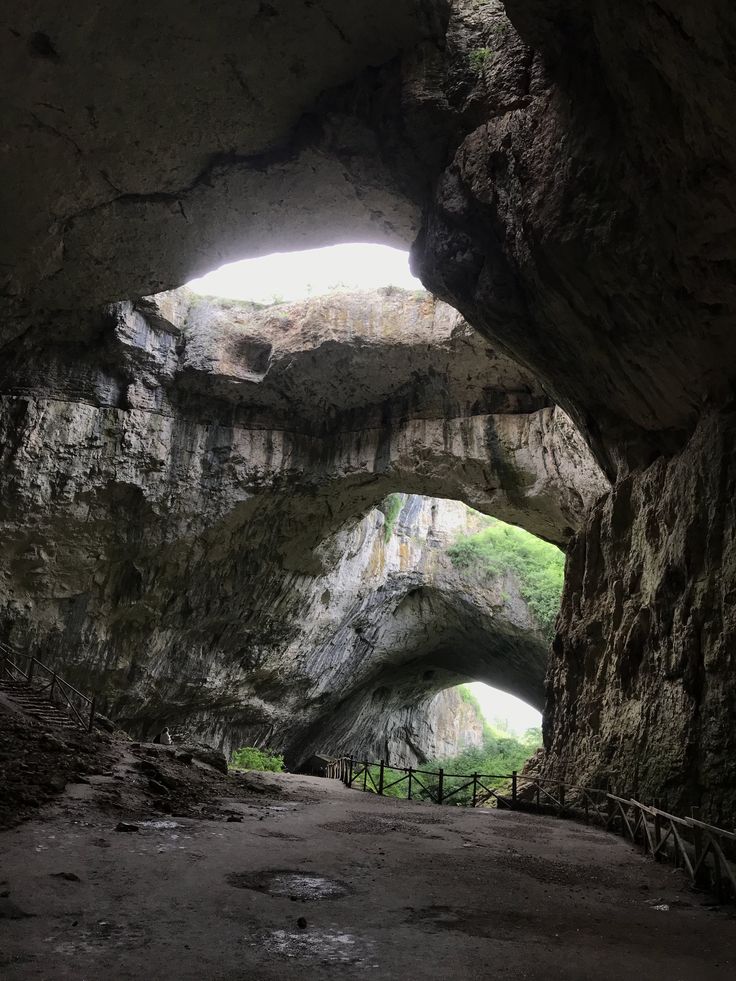
Siju Cave – The Bat Cave of Meghalaya
Located near the Simsang River in South Garo Hills, Siju Cave is one of Meghalaya’s oldest natural limestone caves. Known as the Bat Cave, it is home to thousands of bats that add to its mysterious charm. The cave features endless corridors, massive chambers, and delicate limestone formations. Travelers will also encounter underground streams and fascinating rock patterns shaped over millennia. Siju is not just about exploration; it’s about immersing yourself in raw, untouched nature. The surrounding Garo Hills are dotted with forests and villages, offering authentic local experiences, traditional cuisine, and serene riverside views after your cave adventure.
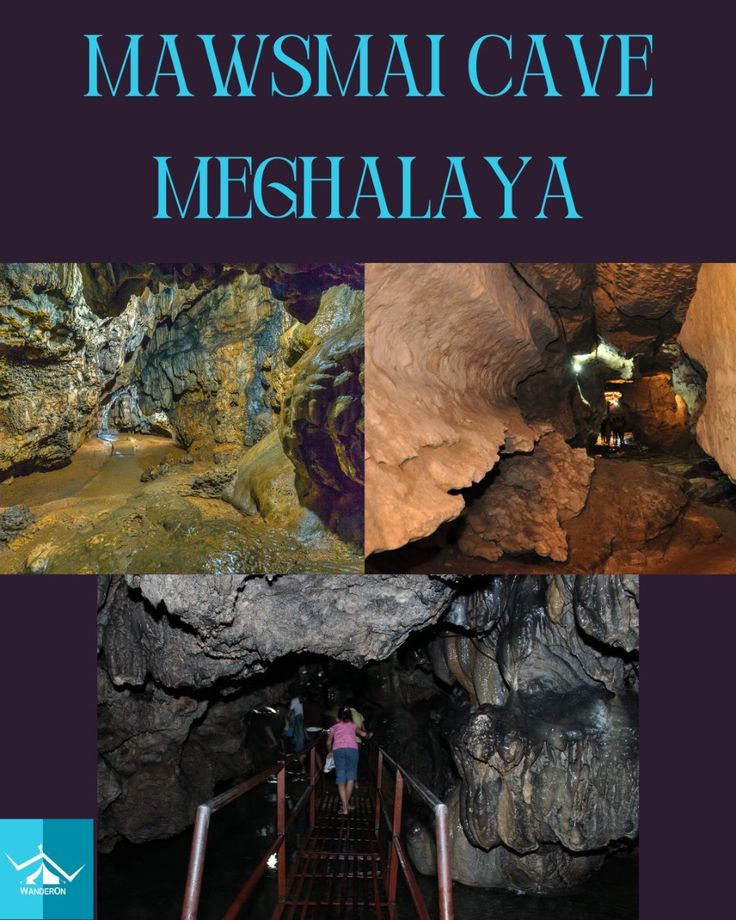
Mawsmai Cave –Meghalaya’s Most Popular Cave
Easily accessible near Sohra (Cherrapunjee), Mawsmai Cave is among Meghalaya’s most visited attractions. Unlike some of the more challenging cave systems, Mawsmai is tourist-friendly and illuminated, making it perfect for families and first-time explorers. Inside, travelers are greeted with a spectacular display of stalactites, stalagmites, and limestone formations, creating a surreal atmosphere. The narrow passageways and natural halls spark both excitement and wonder. Its proximity to other famous attractions like Nohkalikai Falls and Seven Sisters Falls makes it a must-stop on any Meghalaya travel itinerary. Add a taste of Khasi cuisine in nearby eateries to complete the experience.
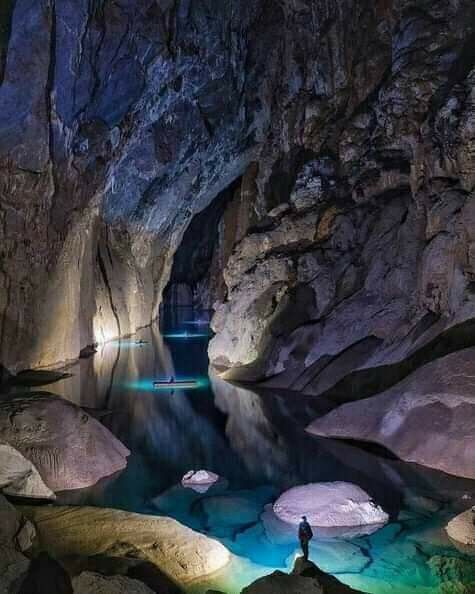
Liat Prah Cave – India’s Longest Cave System
In the Jaintia Hills lies the Liat Prah Cave System, India’s longest known cave, stretching over 30 kilometers. A paradise for seasoned spelunkers and adventure enthusiasts, this cave is a labyrinth of tunnels, chambers, and natural wonders. The Airplane Hangar, one of its largest chambers, showcases the sheer scale of nature’s work underground. Exploring Liat Prah requires stamina, proper gear, and often a guide, but the reward is unmatched—mystical rock formations, underground streams, and a deep sense of adventure. For those wanting a blend of exploration and cultural immersion, nearby villages provide a window into authentic Jaintia traditions and food.

Arwah Cave – Fossils and Legends
Tucked in the East Khasi Hills near Sohra, Arwah Cave offers an adventure rich in history and geology. Known for its ancient fossils, some dating back millions of years, the cave is a living museum beneath the earth. Travelers can spot fossils of fish, shells, and marine life, proof that this region was once under the sea. Arwah is partially lit, with many chambers requiring torches, adding to the sense of mystery. The walk through forested trails leading to the cave makes the journey even more rewarding. Combining natural beauty, fossil discovery, and local legends, Arwah is a must-visit for curious explorers.
The Cultural and Adventure Connection
Caving in Meghalaya is not just about adventure—it’s also a gateway to local culture and traditions. Many caves hold spiritual and historical significance for the Khasi, Jaintia, and Garo communities. Exploring these caves offers opportunities to interact with locals, savor traditional food, and understand the region’s authentic way of life. From short, family-friendly cave walks to multi-day expeditions for seasoned adventurers, Meghalaya’s caves promise something for everyone, making them a cornerstone of the state’s growing eco-tourism movement.
FAQs about Caves of Meghalaya
1. Which is the easiest cave to explore in Meghalaya?
Mawsmai Cave is the most accessible, with lights and walkways, suitable for families and casual travelers.
2. Do I need a guide to explore the caves?
For tourist-friendly caves like Mawsmai, guides aren’t necessary. But for larger systems like Liat Prah or Siju, a local guide is highly recommended.
3. What should I carry while exploring caves?
Essentials include comfortable shoes, water, a torch or headlamp, and light snacks. Adventure caves may also require helmets and proper gear.
4. Can children visit the caves?
Yes, caves like Mawsmai and Arwah are family-friendly. However, deeper systems like Liat Prah are best left for experienced explorers.
5. Are there any cultural stories linked to the caves?
Yes, many caves are tied to Khasi and Garo legends, believed to be sacred or historically significant within local folklore.
6. What’s the best time to visit Meghalaya’s caves?
The ideal time is October to April, when the weather is dry, making the caves safe and accessible for exploration.
Closing Call-to-Action
Exploring the **caves of Meghalaya—Siju, Mawsmai, Liat Prah, and Arwah—**is like stepping into nature’s hidden masterpieces. Whether you’re drawn to fossil-rich chambers, massive underground corridors, or family-friendly cave walks, Meghalaya offers a rare mix of adventure, culture, and authenticity. At Welcome Meghalaya, we invite you to uncover these underground wonders, meet the local communities that protect them, and experience the thrill of nature in its purest form. Start planning your cave exploration today and make your journey to Northeast India truly unforgettable.