

The Bridges of Patience
A living testament to nature and tradition in Meghalaya.
In the heart of Meghalaya, ancient roots are guided across streams, creating living masterpieces. These bridges are not only a symbol of harmony but also a window into the rich traditions and ingenious spirit of the local people. A visit to these sites is an adventure for the soul, offering a deeper connection to the land and its stories.
Highlights at a Glance
created from living tree roots
lush forests and streams
in Nongriat and Mawlynnong
eco-tourism lovers
Khasi food in local homestays
and adventure in Northeast India
created from living tree roots
lush forests and streams

Nongriat – The Double-Decker Wonder
Nongriat, in the East Khasi Hills, is home to the legendary double-decker living root bridge. Reached by a trek of around 3,500 steps from Tyrna village, the journey itself is as memorable as the destination. The trail winds through waterfalls, lush forests, and small villages, offering glimpses of Khasi life. At the end of the trek lies the awe-inspiring double-decker bridge, built from roots interwoven over centuries. Travelers often extend their stay in local homestays, enjoying authentic food and community hospitality. Nongriat is not just about the bridge—it’s about the adventure, the people, and the serenity that surrounds it.

Riwai – Easy Access to Tradition
For travelers who want to see a root bridge without a strenuous trek, Riwai village near Mawlynnong offers the perfect option. A short walk from the road leads to a well-preserved root bridge that showcases the same ingenuity seen in Nongriat but in a more accessible way. Along the way, travelers can interact with villagers, shop for handmade crafts, and enjoy views of lush greenery. Riwai is also a great place to learn about sustainable practices and the community’s dedication to preserving their natural heritage. This spot is especially family-friendly and ideal for short visits.
Mawlynnong – The Cleanest Village and Its Roots
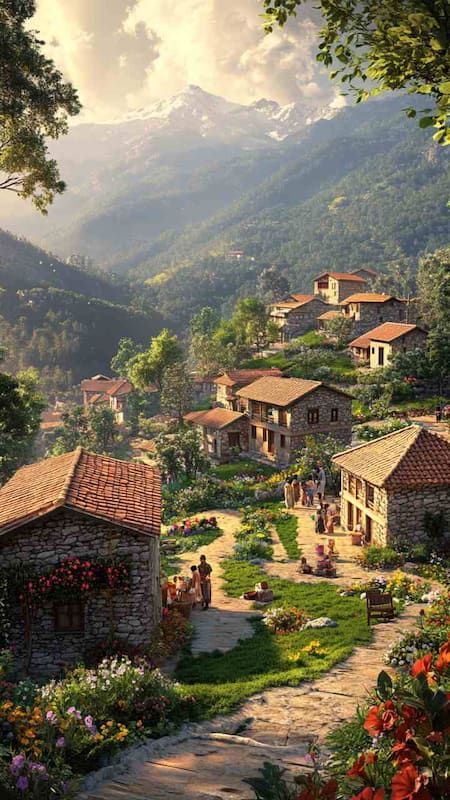
Known as “Asia’s Cleanest Village,” Mawlynnong combines natural beauty with cultural pride. Just a short distance from Riwai, the village offers a well-maintained living root bridge as part of its eco-tourism initiatives. Travelers often explore Mawlynnong’s bamboo skywalk, traditional houses, and vibrant gardens before or after visiting the bridge. Staying in a local homestay offers authentic Khasi hospitality, complete with traditional meals and stories about the village’s heritage. The root bridge here, though smaller, reflects the same philosophy of living in balance with nature, making Mawlynnong a must-visit destination.

The Cultural and Ecological Significance
Living root bridges are more than just tourist attractions—they’re a testament to Khasi wisdom and sustainable living. These bridges take decades to form and are continually strengthened by generations. They demonstrate an eco-friendly alternative to concrete structures, blending seamlessly with the environment. Beyond their practical use, root bridges are symbols of community cooperation and patience, values central to Khasi culture. For travelers, they are not just a sight to photograph but a lesson in harmony, resilience, and authenticity. Visiting them encourages respect for nature and inspires sustainable travel practices.
FAQs about Living Root Bridges
1. How long does it take to reach the Nongriat root bridge?
The trek takes about 2–3 hours each way, depending on pace, with around 3,500 steps to descend and climb back.
2. Do I need a guide to visit the root bridges?
While not mandatory, hiring a local guide is highly recommended for safety, directions, and cultural insights.
3. Which root bridge is easiest to access?
The Riwai root bridge near Mawlynnong is the most accessible, requiring only a short walk, making it ideal for families.
4. Can I stay overnight near the bridges?
Yes, Nongriat and Mawlynnong offer homestays with local families, giving travelers authentic cultural and culinary experiences.
5. What should I carry for the trek?
Wear comfortable shoes, carry water, light snacks, rain gear (especially in monsoon), and cash since ATMs may not be nearby.
6. Why are root bridges culturally important?
They are a living example of Khasi sustainable practices—built without harming nature and maintained through community effort.
Closing Call-to-Action
Visiting the living root bridges of Nongriat, Riwai, and Mawlynnong is more than a sightseeing trip—it’s a journey into Meghalaya’s heritage and natural genius. Whether you’re trekking down to the double-decker bridge or strolling through the clean lanes of Mawlynnong, every step connects you to a deeper story of tradition and resilience. At Welcome Meghalaya, we invite you to experience these wonders firsthand, meet the locals who preserve them, and carry home lessons of harmony with nature. Plan your adventure today and walk across living history in the heart of Northeast India.